The afternoon dip is a pacing problem, not a moral one

The slump has a clock in it
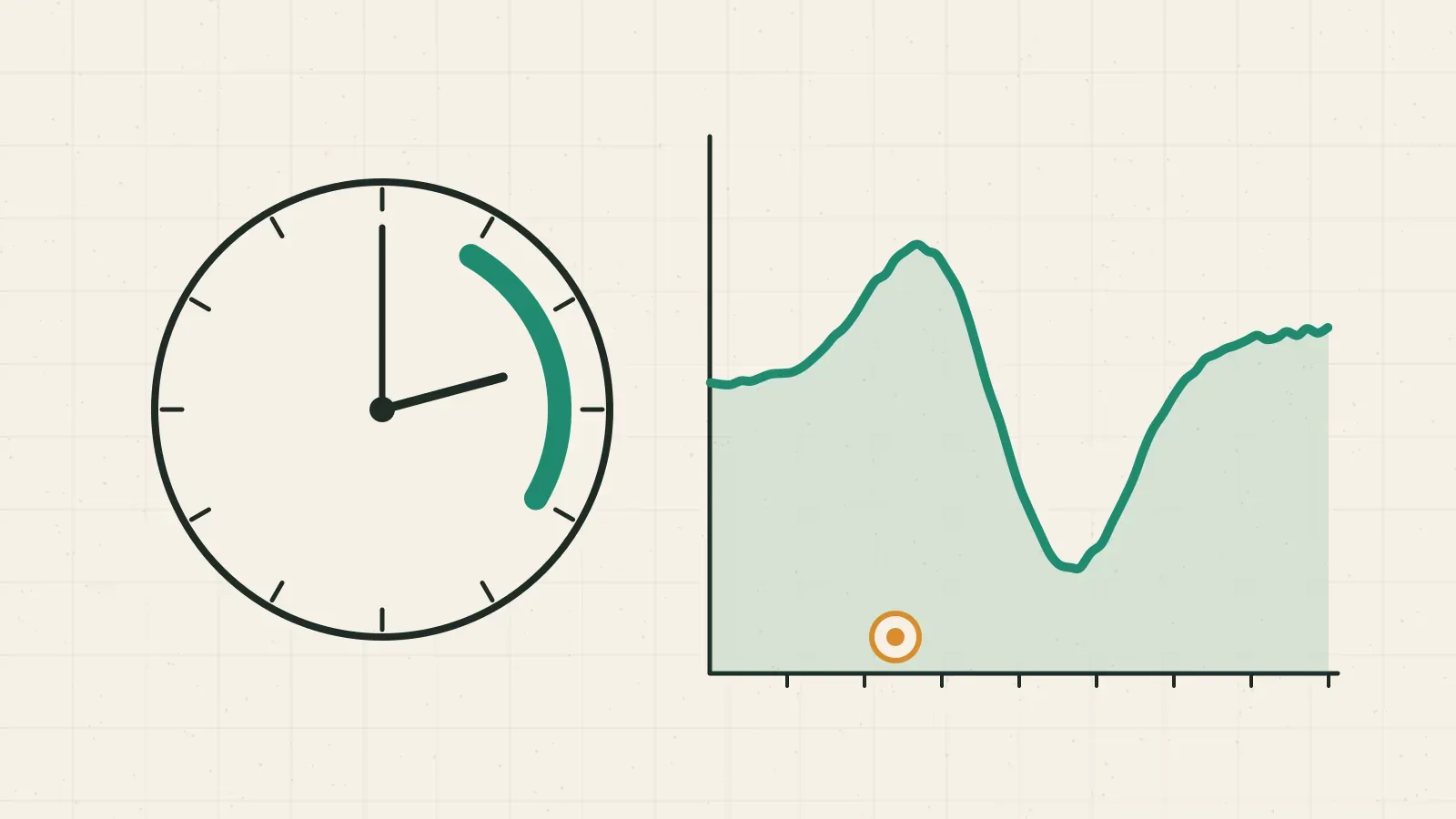
The mid-afternoon slump arrives on a schedule. It is not a character flaw, and it is not proof that the morning was wasted. Alertness falls because the body clock has a trough in the early afternoon. Lunch then asks the blood to handle a meal in that same window.
People notice the slump after they eat. The timing is real, and easy to misread. The same clock dip shows up in people who skip lunch, only milder. Food does not invent the slump. It stacks a second load on a trough that was already on the way.
The clock sits in a small cluster of brain neurons, the suprachiasmatic nucleus. Those cells keep a rhythm of about a day. They time body temperature, hormone pulses, and the drive to stay awake. That drive is strong in the late morning, eases in the early afternoon, and strengthens again toward evening. A second wind can appear just when a fade seemed permanent.
Sleep pressure meets the trough
Sleep pressure is a separate ledger. It builds for as long as a person stays awake. By mid-afternoon the ledger is already partly full, even after a decent night. The clock eases its wake signal while that ledger is no longer empty. Staying sharp costs more inside the overlap. A short night fills the ledger faster. The clock did not move. The debt did.
What lunch adds
A meal changes the blood within minutes. Starch and sugar become glucose. Glucose rises, and the pancreas releases insulin so muscle, fat, and liver can take it up and store what cells do not need at once. Protein and fat change the shape of the curve. They do not erase the need for insulin. A mixed plate still asks for handling.
Insulin is not a sedative. It is a storage signal. Sleepiness after a large meal comes from the whole post-lunch state. Blood flow to the gut rises. That is not a theft of oxygen from the brain. Cerebral flow is defended.
Parasympathetic nerves, the ones that favor rest and digest, take a larger share after the plate is finished. Heart rate can ease. Some wake-promoting nerve cells quiet when glucose is high. Digestive hormones talk to the brainstem. These are routes from plate to heavy eyelids. None of them is a verdict on the person who ate.
The slump people name is the overlap. Circadian easing, plus post-lunch insulin and glucose handling, plus whatever sleep debt the night left behind. Remove any one piece and the afternoon can still sag. Stack them and the sag is hard to miss.
Mitochondria are not the villain
It is tempting to blame the power stations of the cell. Energy feels lower, so the furnaces must have gone out. That story is wrong. It sticks because it is simple.
Mitochondria do not shut off in the afternoon. They do not clock out when the eyelids get heavy. They supply ATP at the rate the cell allows. Three plain limits set that rate: how much fuel is on hand, how much oxygen is on hand, and how much work the cell is asking for.
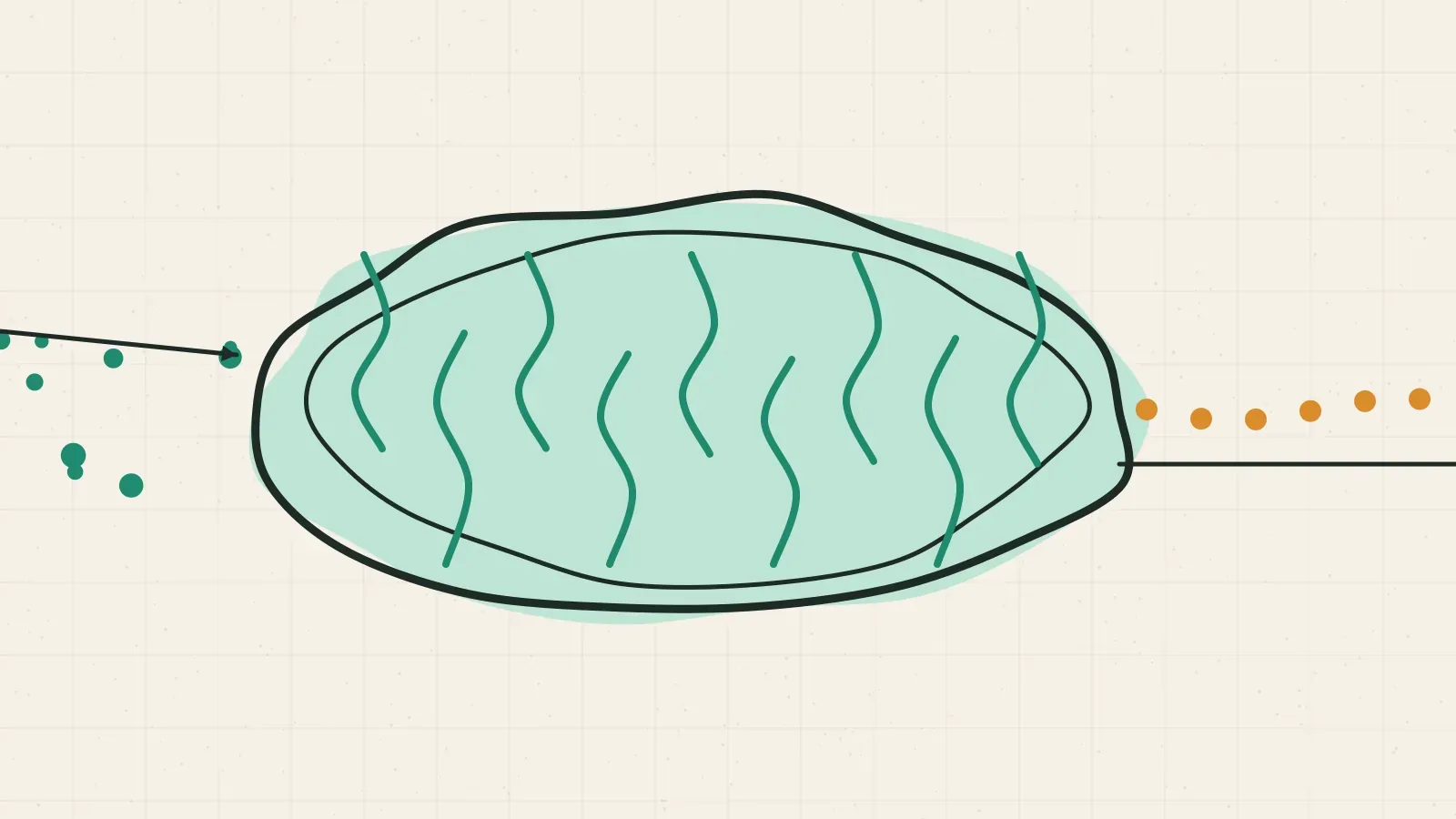
ATP is the spending money of the cell. Making it with oxygen is oxidative phosphorylation. Electrons from food-derived molecules move along proteins in the inner membrane and pump protons outward. Protons flow back through ATP synthase, which attaches phosphate to ADP. Scarce ADP leaves the turbine with little to load. Respiration slows. The mitochondrion has not died. It is waiting on demand.
Respiratory control is the pace
That waiting is respiratory control. A quiet neuron or a resting muscle fiber holds ATP and has little ADP to offer. Mitochondria in those cells idle. Idle is not off. The machinery is intact. Give the cell work and ADP appears. The turbine turns faster. Oxygen use rises to match. This is pacing. It is the opposite of a switch thrown to dark.
After lunch, substrate is not scarce. Pyruvate and fatty acids can both feed the cycle. The ordinary dip is not a fuel shortage. Mitochondria cannot be the sole cause of a slump that also tracks the clock, the meal, and the night before. They are the supply line, not the timetable.
Oxygen is the third limit. In ordinary room air, a person at a desk is not failing to deliver it. The yawn is not hypoxia. Reading it that way turns a schedule into an emergency the chemistry does not support.
Demand is the quiet half
A less active cell asks for less ATP. When wake drive eases, some brain circuits fire less, so they spend less ATP on ion pumping. Less ADP comes back, and respiration slows. The power stations follow the work. They do not lead the slump by closing.
Hard work raises calcium and speeds the enzymes that feed the cycle, so mitochondria go faster. A smaller ask gets a smaller answer. They are matching the clock, sleep pressure, and the post-lunch shift. They have not switched off.
Illness, some drugs, and a true lack of oxygen can limit supply. Those are different problems from the ordinary Tuesday dip. Mixing them up turns a timetable into a diagnosis.
Why a heavy lunch lands harder
Meal size changes the depth of the dip. A heavy lunch pushes a larger glucose load into the blood, calls for more insulin, and keeps the gut busy longer. The overlap with the clock trough widens, so the slump feels deeper. Mitochondria are still supplying ATP. The body has been told to spend the hour on storage and digestion.
A smaller lunch does not cancel the clock. Circadian easing still arrives. What changes is the meal. Less glucose to clear, a smaller insulin rise, and a shorter claim by the gut. The subjective dip is shallower. A light midday plate and a heavy one are not the same job, even when the clock hour is the same.
Rapid starch tends toward a steeper glucose rise than the same energy spread across starch, protein, fat, and fiber. Fat can leave a person heavy because the meal stays in the stomach. Heaviness and a glucose spike are different measurements. Both can deepen the wish to lie down. Neither is a mitochondrial shutdown.
A short walk spends what the meal delivered
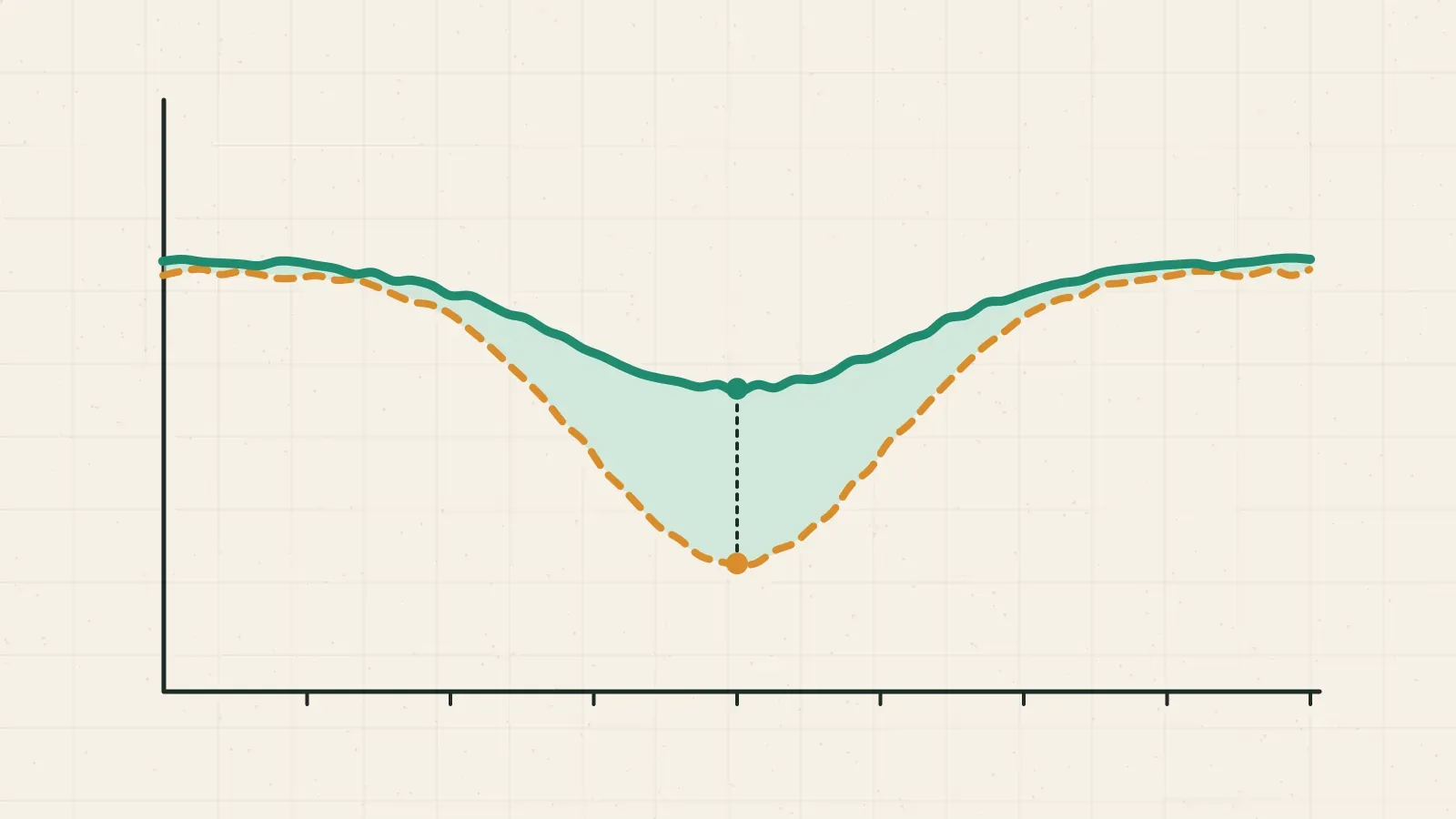
Muscle is a glucose sink when it works. Contraction moves glucose transporters to the muscle membrane. Glucose enters. Some is stored as glycogen. Some is broken down to feed ATP for the steps just taken. Insulin helps that entry. Contraction can pull glucose in even when insulin is not the whole story. A short walk after lunch uses some of the glucose the meal just delivered.
The walk does not need to be a workout. Easy movement gives muscle a job and lifts arousal a notch. Mitochondria that were idling now see ADP and speed up. They were never off.
How much glucose a given walk clears depends on the person, the meal, and the pace. The direction is the part worth keeping. A heavy plate and a still chair deepen the dip. A smaller plate and a short walk leave less for the trough to amplify.
The moral story is the extra weight
Calling the dip laziness adds nothing to the chemistry. A person can sleep well, eat a modest lunch, and still feel the clock. The slump is a pacing problem: a slower ask for ATP in some circuits, for a window that will pass.
Shame does not change insulin, and it does not move the clock. It can add stress chemistry, which is its own drain on attention. A smaller plate, a short walk, morning light that anchors the clock, and a night that pays down sleep pressure are the levers physiology can use. They are modest. They match the mechanism.
This column is not medical advice. A slump that is new, crushing, or paired with other symptoms belongs with a clinician, not with a metaphor about furnaces.
Supply follows the ask
The afternoon dip is mainly circadian, plus the insulin and glucose work that follows lunch. Sleep debt amplifies it. A heavy meal deepens it. A short walk spends some of the glucose and gives muscle a reason to draw ATP faster. Mitochondria supply that ATP at the rate substrate, oxygen, and demand allow. They do not switch off to punish a person for sitting down.
Let the trough be a trough. The hour passes. The turbine was turning the whole time, only slower, because the cell had asked for less.