What dopamine does in the last minutes of hard effort

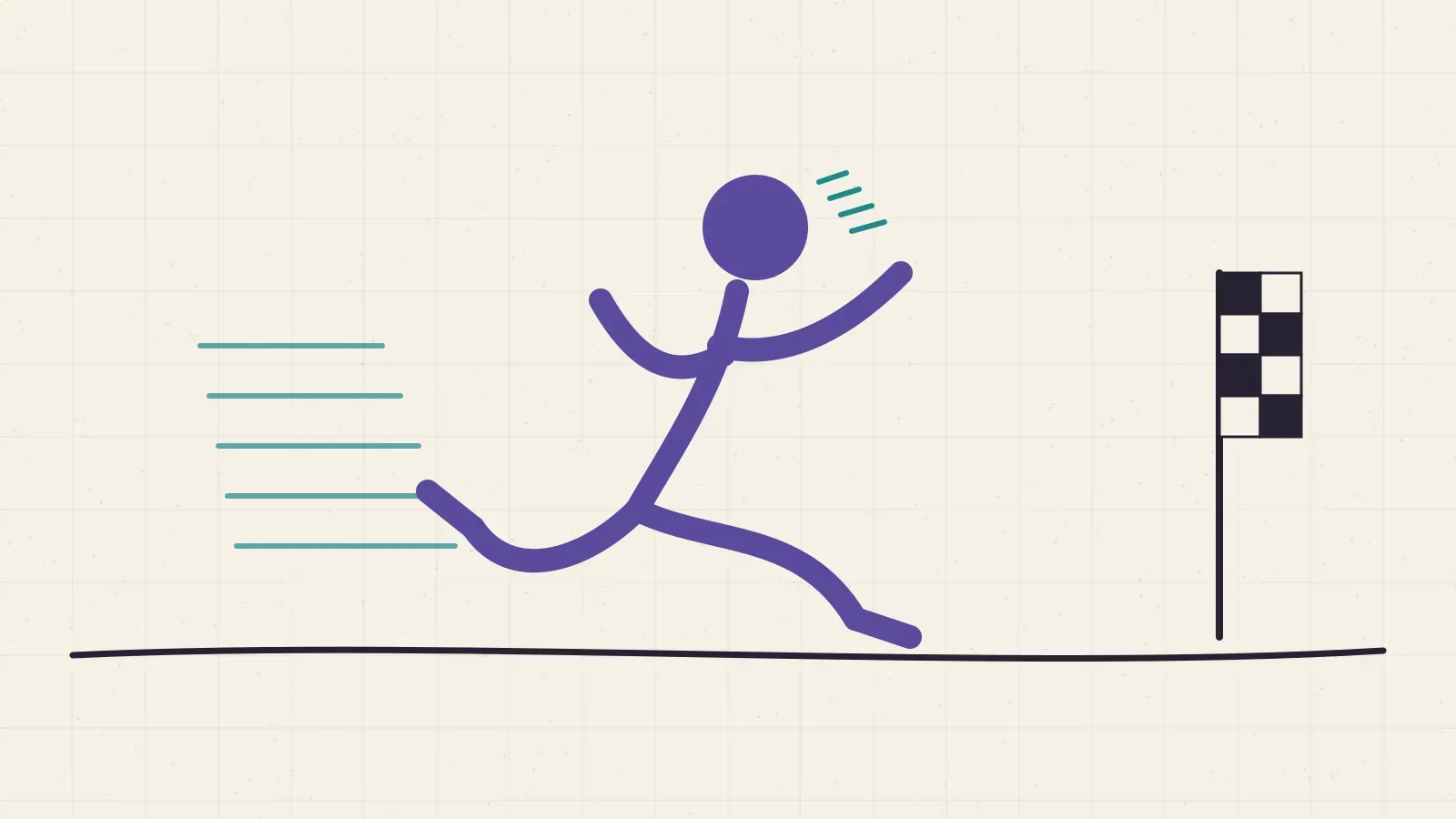
The finish line is a bad narrator
The last minutes of a hard effort have a reputation they did not earn. People talk as if a pleasure chemical waits at the line and dumps itself into the brain when the work stops. The story is tidy. It is the wrong job for dopamine.
Dopamine marks what is worth doing, updates an expectation, and keeps a costly action available. That is a keep-going signal. It is not a spray of pleasure. The difference shows when the legs are heavy and the clock is still moving.
A runner in those minutes is not waiting for a feeling to arrive. Each step has a cost. The goal still has a value. Striatal dopamine helps keep the next step selectable while that cost climbs. Comfort is not the point. Willingness is.
If the molecule were a treat for stopping, the ugly minutes before the stop would be empty. They are not. They are when continuing costs the most. The release after the session can still be real. Other signals get that turn. They do not rewrite the minutes that came before.
Wanting is not the same as liking
The myth stuck because dopamine shows up near rewards. Food, praise, a finished race, a drug people chase. The overlap is real. The leap from overlap to pleasure chemical is sloppy.
Liking is the pleasantness of a sensation. It leans on other signals, including opioids in small brain regions. Wanting is the pull toward an outcome, the bias that makes one action more likely than quitting. Dopamine sits closer to wanting, and to learning, than to liking.
A person can want a result that feels bad right then. The last kilometers are the plain case. The stride can be awful. The aim at the finish remains. That aim is not pleasure. It is a goal that has not lost the argument.
A price, not a medal
Midbrain dopamine neurons track the gap between what was expected and what just happened. Better than expected nudges the signal one way. Worse than expected nudges it the other way. In the last minutes the brain is pricing the next minute, not handing out a medal at the tape.
A finish that feels closer than it did a minute ago can make one more effort worth paying for. A finish that recedes can do the opposite. The circuitry is busy before the line.
Where the signal is made
Cells build dopamine in a short chain. Tyrosine becomes L-DOPA. Tyrosine hydroxylase, the enzyme on that step, is the slow one, the rate limiter. L-DOPA then becomes dopamine. Extra raw material is not a dial for the last kilometer. The chain is local and gated.
The cells that matter for movement and motivation sit in the midbrain, in the substantia nigra and the ventral tegmental area. One stream feeds the dorsal striatum, which selects actions and gives them vigor. Another feeds the ventral striatum, including the nucleus accumbens, which weighs whether an outcome is worth the effort.
Both matter when work gets hard. One is about how forcefully an action is issued. The other is about whether it still looks worth issuing. A fading finish is often both at once. The stride loses snap. The choice to hold pace loses force. That is a rising tax, not a character flaw.
The molecule does not linger as a mood. It is packed, released, bound, and cleared. Transporters pull it back. Enzymes break down the rest. A pulse, not a bath that fills the skull until someone feels happy. Receptors sharpen the menu. Continue, ease off, or stop. Sharpening is a bias among those three, not a feeling of comfort.
The bill for one more minute
Early on, the next minute is often payable. Late, the same minute costs more. Muscle fuel is lower. Inorganic phosphate and other metabolites have piled up. Temperature is up. Feedback from the muscle is louder. Perceived effort climbs even if pace does not.
Striatal dopamine helps the continue option survive that rise. It keeps a high-cost action competitive with stopping. As effort cost climbs, that support has more work to do, not less.
No honest account can quote a figure for synaptic dopamine in a hard finish. Those levels are local and brief. They are not a blood test, and not a watch metric. The physiology supports a role, not a roadside spike. The role is to keep the costly action available while the cost gets worse.
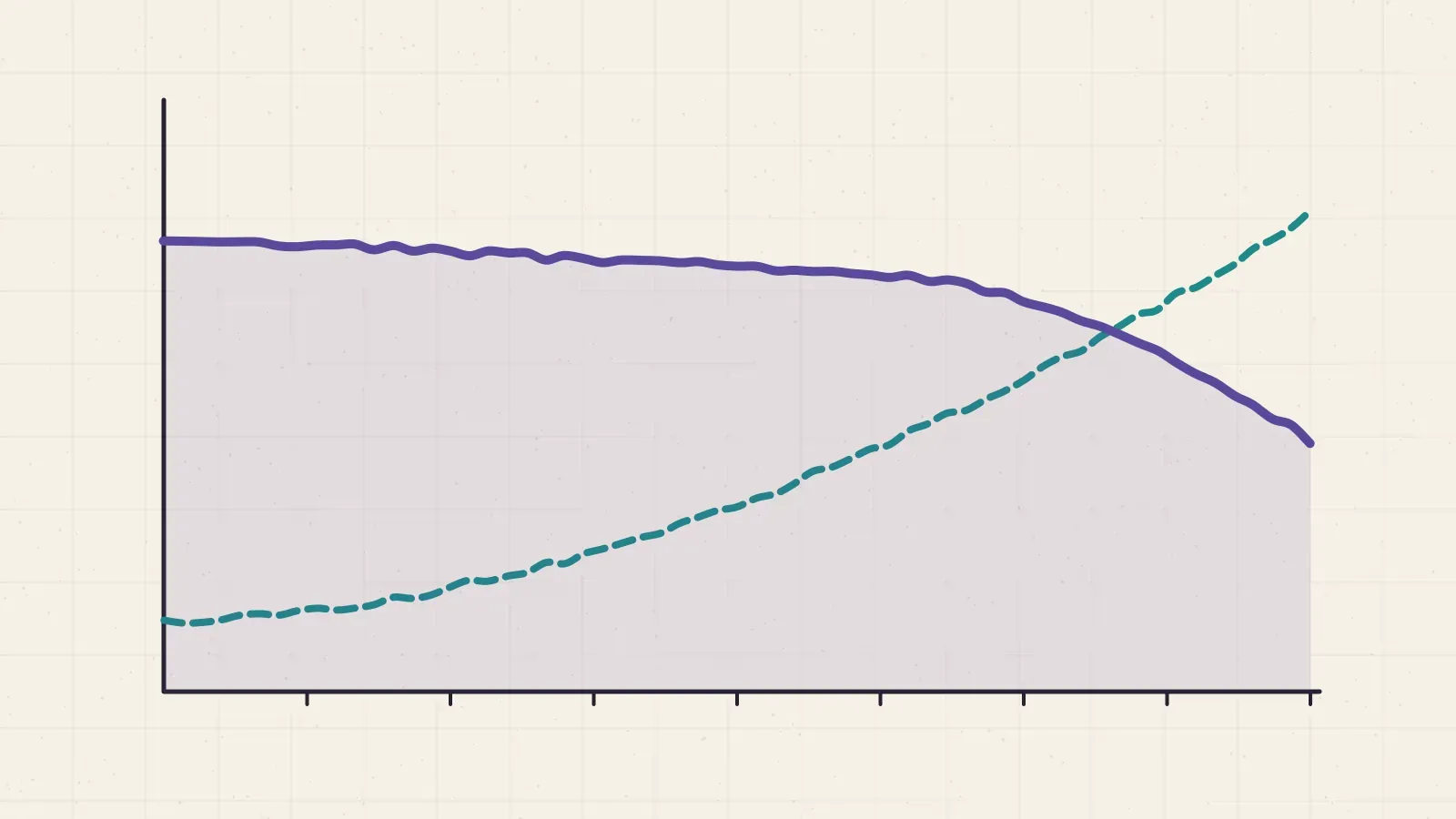
Disrupt dopamine transmission in the nucleus accumbens and animals still take rewards that are free. Put a barrier in the way and they work less for the same reward. Pleasantness did not fail. Willingness to pay an effort cost did. Thin striatal signaling in people points the same way. High-effort choices lose to easy ones even when the prize is unchanged.
A race is that problem in a moving body. Stopping is always on the menu. Dopamine does not make the finish sweeter. It helps the brain treat the finish as worth one more ugly minute.
The price tag
Perceived effort is the brain’s estimate of what the next command will cost, built from the command and from the mail coming back. Dopamine sits on the side that asks whether the price is still acceptable. It does not reprint the tag by magic.
The muscle has a vote
Fatigue is also peripheral. The muscle is not a cable waiting for a speech. Phosphate rises as the cell turns over its immediate fuel. Acidity shifts. Potassium moves. Calcium handling gets messy. Force for a given neural command drops. No brain chemical erases that by calling it attitude.
Heat is its own tax. A rising core temperature makes more work more dangerous, and usually slower. People slow in the heat before they collapse, most of the time, because stopping gains weight as temperature climbs. That slowdown is protection.
Thin sensory fibers in the muscle answer to pressure, stretch, and the chemical soup of hard work. They report upward. That mail is part of why effort feels like effort, and part of why breath and circulation stay matched to the task. Interrupt it and a person can sometimes push past what the tissue can support. The mail is data.
Dopamine does not cancel the mail. A keep-going signal that ignored heat, metabolites, and muscle feedback would be a bad design. The report raises the cost. The goal still pulls. The signal lets that pull stay effective a while longer.
Motor drive can fall too. Recruitment can thin even when the person still wants the contraction. Some of that is protection, a refusal to issue a command priced as too expensive. Dopamine is not the only voice. It is the one most clearly tied to keeping a costly action selected.
After the work stops
Relief at the finish is real. The next minute is no longer a threat. Breathing eases. The sensory shout quiets. Opioid signals and endocannabinoid signals are not dopamine, and they can soften the landing. A prediction update arrives too. The hard thing ended near the aim.
That cluster is not a dopamine bath waiting at the banner. If dopamine is present, it is marking an outcome and updating what this effort is worth next time. The pleasure story fails a timing test. The hardest minutes are usually before the finish. That is when willingness costs the most.
Not a powder
Nothing here is a pill recipe. Raising dopamine with a powder or a drug is not a tactic on offer. The rate limiter is already the gate. Medicines that change dopamine signaling can change effort, and can change how hot a person will get. They change risk too. They are not advice.
Fuel, a tolerable temperature, and real sleep change the invoice by changing metabolites, heat storage, and next-day recruitment. They do not do it by boosting a pleasure chemical. A stagger at the end is willingness spent down, not a victory.
Stopping when heat or a strange exhaustion crosses a line can be the correct result. This is physiology, not a diagnosis and not a training prescription. Chest pain, fainting, or exhaustion that does not match the work is a medical problem.
Dopamine in the last minutes is a willingness signal under a rising tax. It helps the striatum keep a hard action selected. It is not the sensation of liking, and not a prize sprayed across the finish. Metabolites, heat, and muscle feedback still vote. The chemical has been in the argument the whole time.