Cold hits the nerves first and the thyroid later

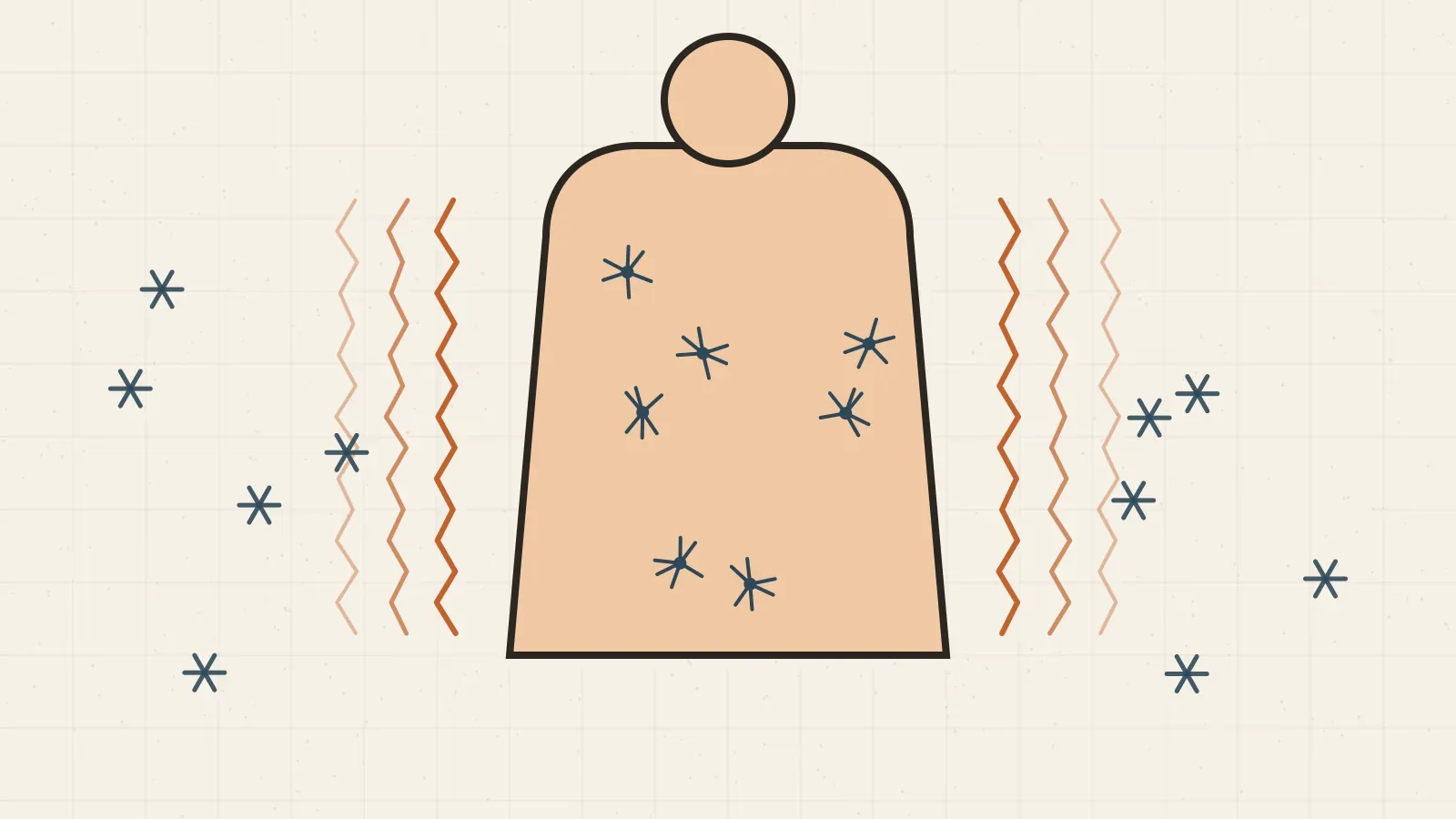
Cold does not wait for the thyroid. The first answer is nervous. Skin sensors fire. Sympathetic nerves answer. Blood leaves the surface. Muscle starts to shiver. Brown fat, where adults still have a working depot, can start making heat. Thyroid hormone turnover may rise if the cold keeps coming back. That change runs on a slower clock than the shiver.
The two systems get fused because both are real. A shiver is not proof that the gland in the neck has joined. Nerves work in seconds and minutes. The thyroid works in hours and days.
The sensors and the first reply
Cold on the skin is read by nerve endings tuned to a falling temperature. Signals run to the spinal cord and on to the hypothalamus, which holds core temperature in a narrow range. It does not wait on a blood test. It calls the sympathetic nervous system.
Sympathetic nerves release norepinephrine at their endings. That is the immediate language of cold. Vessels in the skin narrow. Less heat leaks from the surface. Hands go pale because the body spends them to protect the core. Heart rate and blood pressure can rise. The feeling is alert, sometimes harsh. That is catecholamine physiology, not a thyroid event.
A strong cold can add epinephrine from the adrenal medulla. Same family, same fast push. The thyroid does not have to change what it released an hour ago. The emergency reply is neural.
Why the shell is allowed to cool
A cooler shell narrows the gap between skin and air, so less heat escapes. The core stays nearer its set point. Icy fingers are the first defense working, not a failure to warm up. A mild chill may stop at narrowed vessels, with no shiver at all. Nerves have already answered. The gland may never need to.
Shivering is muscle work
Shivering is the blunt instrument. Motor nerves drive rapid contractions that largely cancel. Fuel is spent anyway, and the energy leaves as heat. The heat is real. It is also tiring. Full-force shivering does not last without a cost in fatigue and fuel.
It can start within minutes. It does not need new genes to be read, and it does not need a new thyroid setting. It needs a motor program and a muscle that still has fuel. When the shivering stops, that cost stops with it.
The chemistry is ordinary muscle chemistry turned up on purpose. ATP splits to drive the contractions. Rebuilding it spends glucose and fat. No new thyroid hormone has to arrive for those steps. Glycogen runs down. A gland that changes gene expression cannot both start and exhaust that motor program in a few minutes.
Brown fat, where it exists
Adults are not uniform furnaces. Some keep brown adipose tissue, often around the neck and above the collarbones. The cells are packed with mitochondria that carry uncoupling protein 1. Oxidation runs without packing the energy into ATP. Heat leaves instead.
Norepinephrine is the switch. It binds the brown fat cell and turns that protein on. Still the sympathetic system. Still the fast clock. Cold can recruit the tissue, if it is there and still responsive, with no change in circulating thyroid hormone.
Many adults have little brown fat that will switch on. Age, body size, and cold habit all change the amount. The honest line is brown-fat thermogenesis where it exists. Even then it is a helper. Shivering and vasoconstriction do the obvious work. Thyroid hormone can help the tissue stay equipped to answer norepinephrine over a longer span. That is tuning, not the first minute of heat.
Enzymes in brown fat can convert thyroxine to triiodothyronine on site, which helps keep the uncoupling machinery ready. That local step is cooperation across clocks. It is not the shiver at the door.
The thyroid moves later
The thyroid exports mostly thyroxine, T4. Triiodothyronine, T3, is more active at the nucleus. Most T3 is made outside the gland. Deiodinases strip an iodine from T4 in the tissues that need it. Cold air does not turn one tap labeled thyroid hormone.
The chain is slow. The hypothalamus releases thyrotropin-releasing hormone. The pituitary answers with thyroid-stimulating hormone. The thyroid releases hormone that rides in blood on carrier proteins. At the cell, much of the action is a receptor on DNA changing which genes are read. New proteins do not appear because skin went cold a minute ago.
Turnover is not a level
Repeated cold can increase thyroid hormone turnover, meaning both production and clearance. A busier gland need not show a higher level on a routine sample. Use may have risen with supply. The number can look ordinary while the traffic is not. That is an adaptation to cold as a pattern, not to a single shiver.
T3 and T4 can change on that slower pattern. They trail the catecholamine response by a long margin. Norepinephrine at a nerve ending works in minutes. Thyroid hormone at the nucleus works over hours and days.
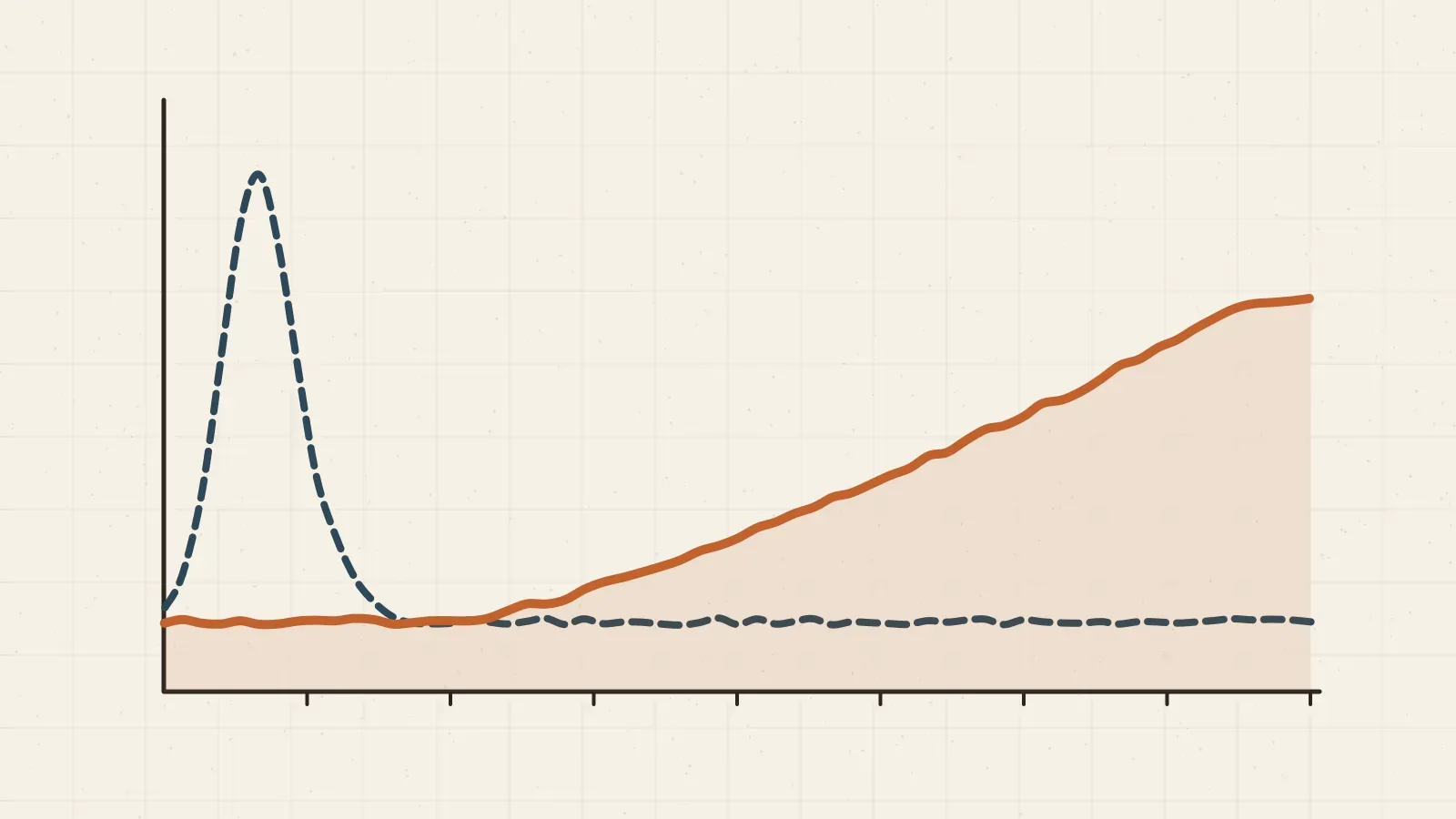
One exposure is a poor test of the axis. Fast heat is nerve, muscle, and brown fat if it answers. A thyroid shift needs repeated cold, and even then it is turnover and readiness, not a switch flipped when the hands go numb.
What T3 does when it arrives
At the nucleus, T3 can raise the cell’s capacity for work. More mitochondria. More pumps moving sodium and potassium, spending ATP to hold gradients, which shows up as heat and as a higher resting use of fuel. That is new equipment. It is not installed during the first shiver.
In brown fat, local T3 helps the tissue answer the next norepinephrine signal. The hormone tunes. The nerve plays. A routine panel, usually T4 and thyroid-stimulating hormone, sometimes T3, is a snapshot of levels. It is not a diary of turnover, and it is not a score for last night’s shiver.
Cortisol can rise, and still not be the heater
A strong cold stress can lift cortisol, through corticotropin-releasing hormone, adrenocorticotropic hormone, and the adrenal cortex. A brief mild chill need not throw that switch. A harsh or threatening exposure can.
Cortisol is not the main heat-making lever. It helps mobilize fuel and changes how vessels and immune cells behave. It does not uncouple brown-fat mitochondria the way norepinephrine does, and it does not run shivering. Fuel on offer is not heat made.
Pale skin, a fast heart, and a sharp mind in the first minutes are catecholamines. Cortisol may join a hard exposure as a companion of stress. Remove it and the sympathetic defense still narrows vessels, still shivers, and still calls brown fat where brown fat exists. Remove the nerves and the fast defense fails. A cortisol rise is not a prize. It marks stress. It does not explain the furnace.
Two clocks, not one boost
Cold is often collapsed into a claim that metabolism rose by some tidy amount. That claim should be refused. Shivering spends fuel only while it runs. Brown fat spends fuel in proportion to tissue a given person may barely have. Thyroid turnover, if it shifts, shifts over repeated days and changes the background. Cortisol, if it rises, brings stress costs. One number hides the order.
No protocol follows. How long to stay cold, and how often, are safety questions, not a thyroid readout. Nerves come first. Shivering and brown fat, where present, ride that same fast wave. Thyroid turnover comes later, if cold is repeated. Cortisol comes only if the stress calls it, and not as the heater.
A person who meets cold often may shiver less at a given chill. Vessels and brown fat responsiveness can change their gain. A quieter shiver is not the thyroid taking the minute-by-minute job. Feeling is a bad clock for separating the two systems.
What gets misread
The common error is time. Cold water, a shiver, and a story about the thyroid. The nerves were the actors. An unchanged blood level the next day does not mean nothing happened. The tube was never a test of norepinephrine.
The next error makes cortisol the engine, because stress feels metabolic. The anatomical error is as common. Brown fat cannot explain every cold response. Shivering covers what almost everyone can show. Narrowed vessels cover the pale hands. The thyroid is a later change in readiness if cold returns.
Cold is a demand to defend core temperature. The body meets it first with nerves. The thyroid can change pace when cold is repeated, through turnover and through T3 acting on which proteins a cell makes. Real endocrine story. Later story.
None of this is medical advice. A hard cold stress is still a stress for the heart and the vessels.