Lena Voss
Endocrinologist
Writes about cortisol, insulin, and thyroid hormone as timing signals, not as personality types.
A chart records a moment. The hormone behind the number is on a schedule. I write for that schedule, not for the portrait a single draw invites.
Cortisol marks an hour
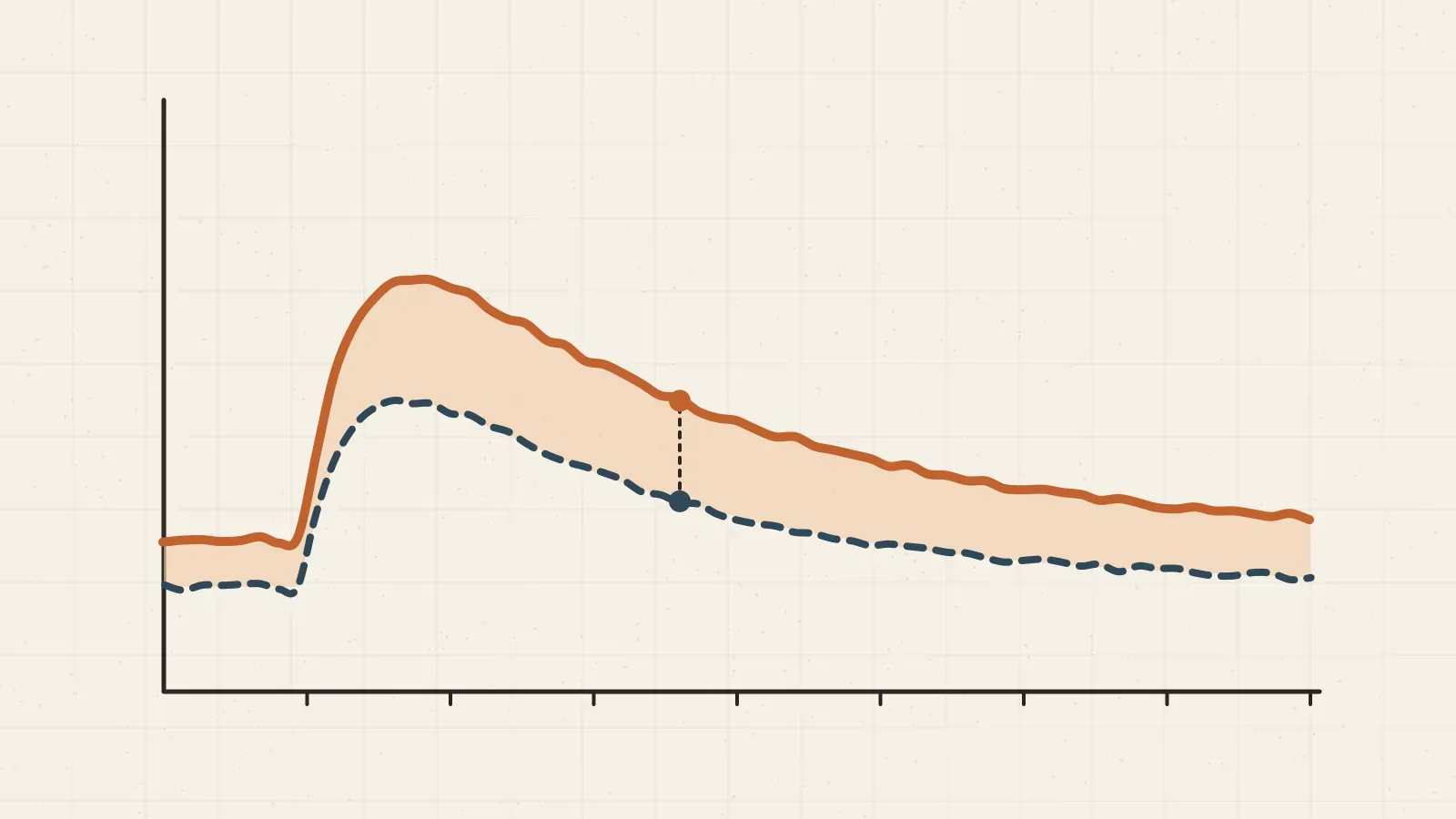
In a person who sleeps at night, cortisol is low early in the night, rises before dawn, stands high around waking, and falls through the afternoon. Light, the body clock, and sleep hold that shape. A high morning value is often the curve at its peak. A value that is still high late in the day is a different finding. The liver releases glucose more readily. Muscle stores it less eagerly. After a short night, insulin has a harder job at breakfast. None of that is a temperament. The curve marks hours. It does not name a kind of person.
A meal lands on a phase
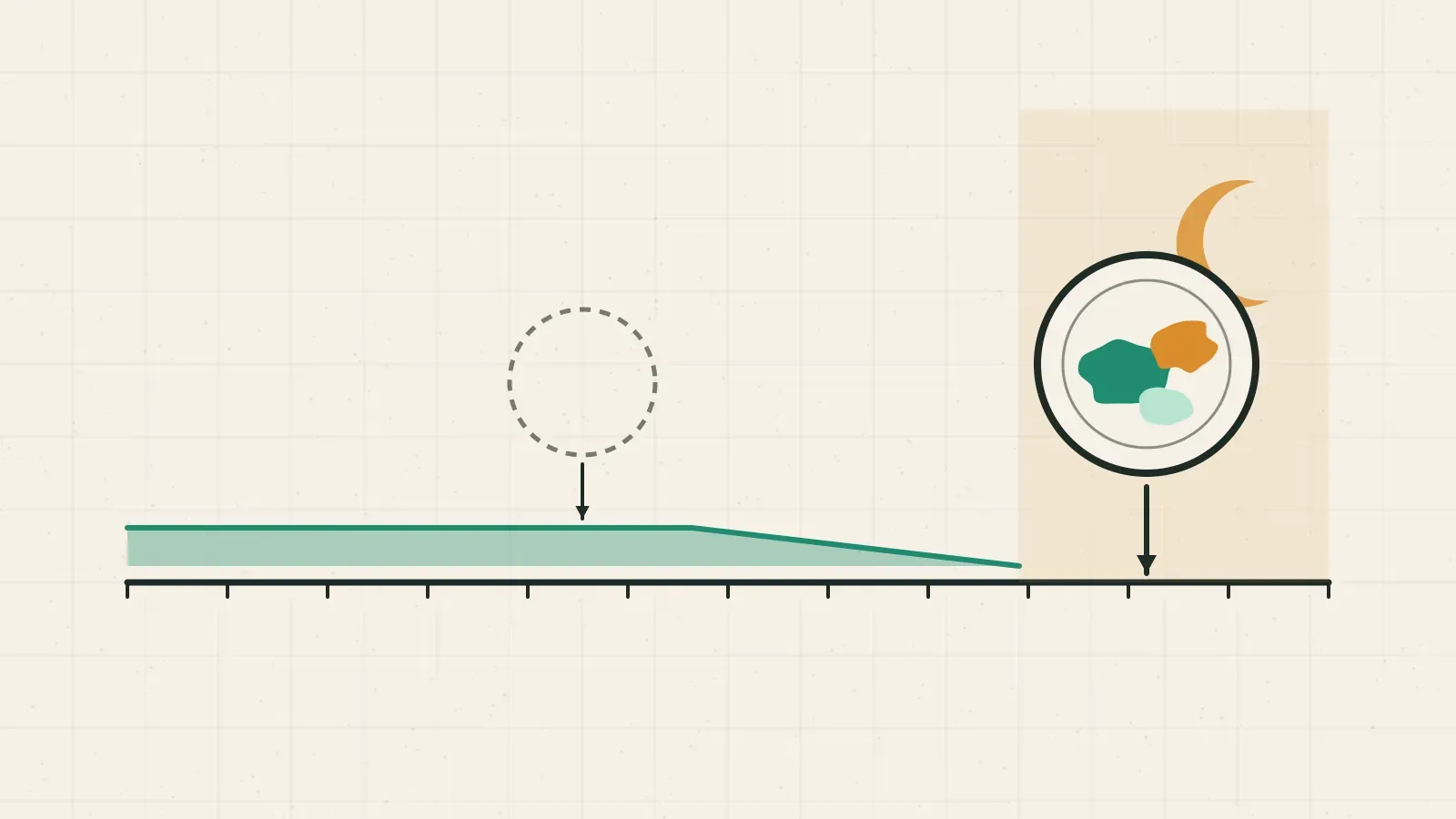
Insulin sits on the same clock, because a meal arrives at one hour and not another. Through the biological day, muscle takes glucose up more readily, and the liver quiets its own output once insulin arrives. Toward night those settings ease. Beta cells answer a matched load more softly in the biological evening than in the biological morning. Melatonin, rising with darkness, binds receptors on those cells and holds secretion back. A late plate is not a moral failure. It is food delivered into a lower phase. After a short night, the morning cortisol rise can meet glucose that has not cleared. That overlap is the subject. A banned clock time is not.
The thyroid is the slow reply
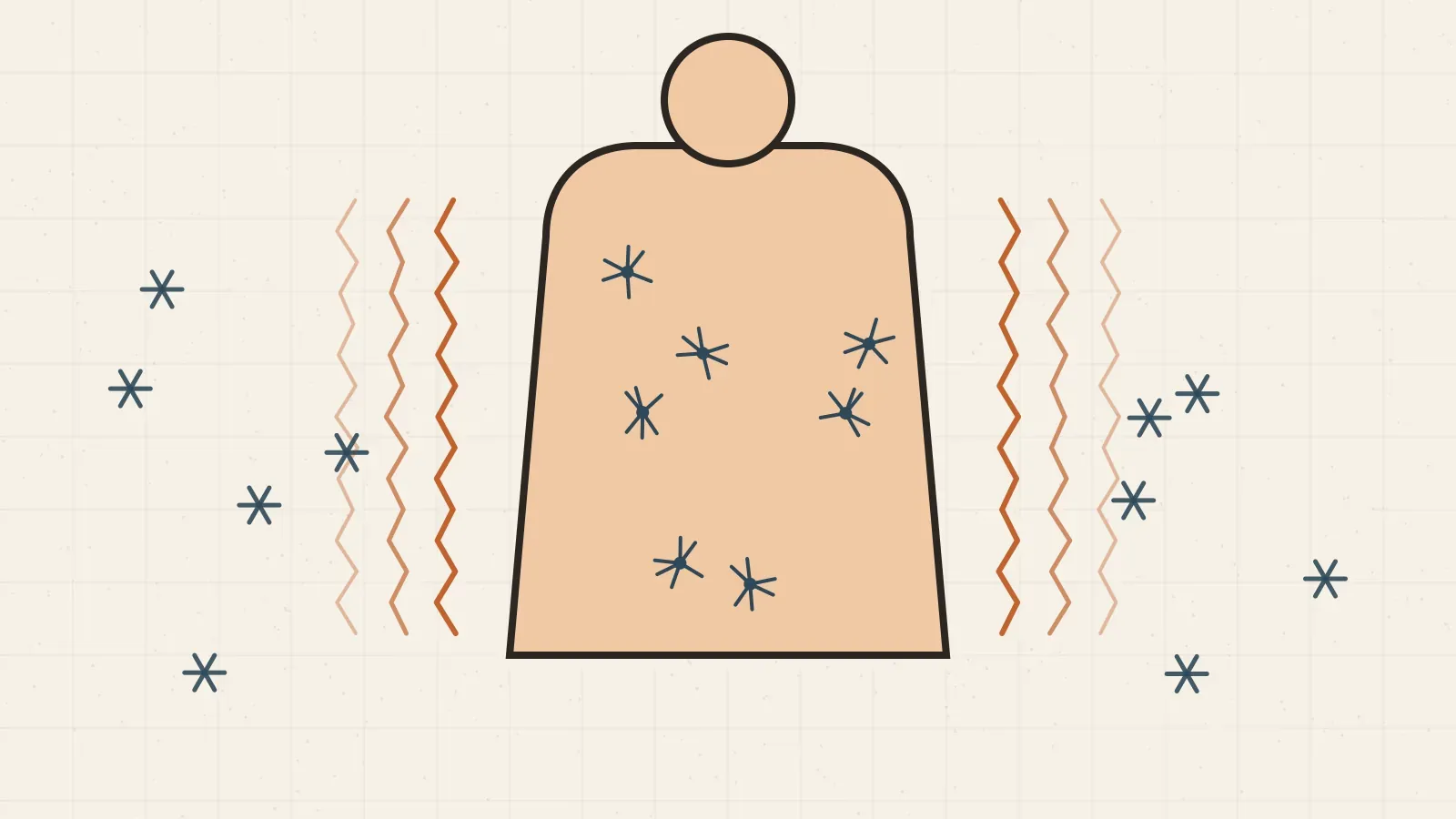
Cold does not wait on the thyroid. Skin sensors fire, sympathetic nerves answer, vessels narrow, and muscle may shiver. Brown fat, where an adult still has a depot that responds, makes heat when norepinephrine binds it. Those steps take minutes. Thyroid hormone turnover can rise if cold keeps returning, over hours and days, mostly by changing which genes a cell reads. A shiver is not proof the gland has joined. A routine panel is a level, not a diary of turnover, and not a grade for the chill.
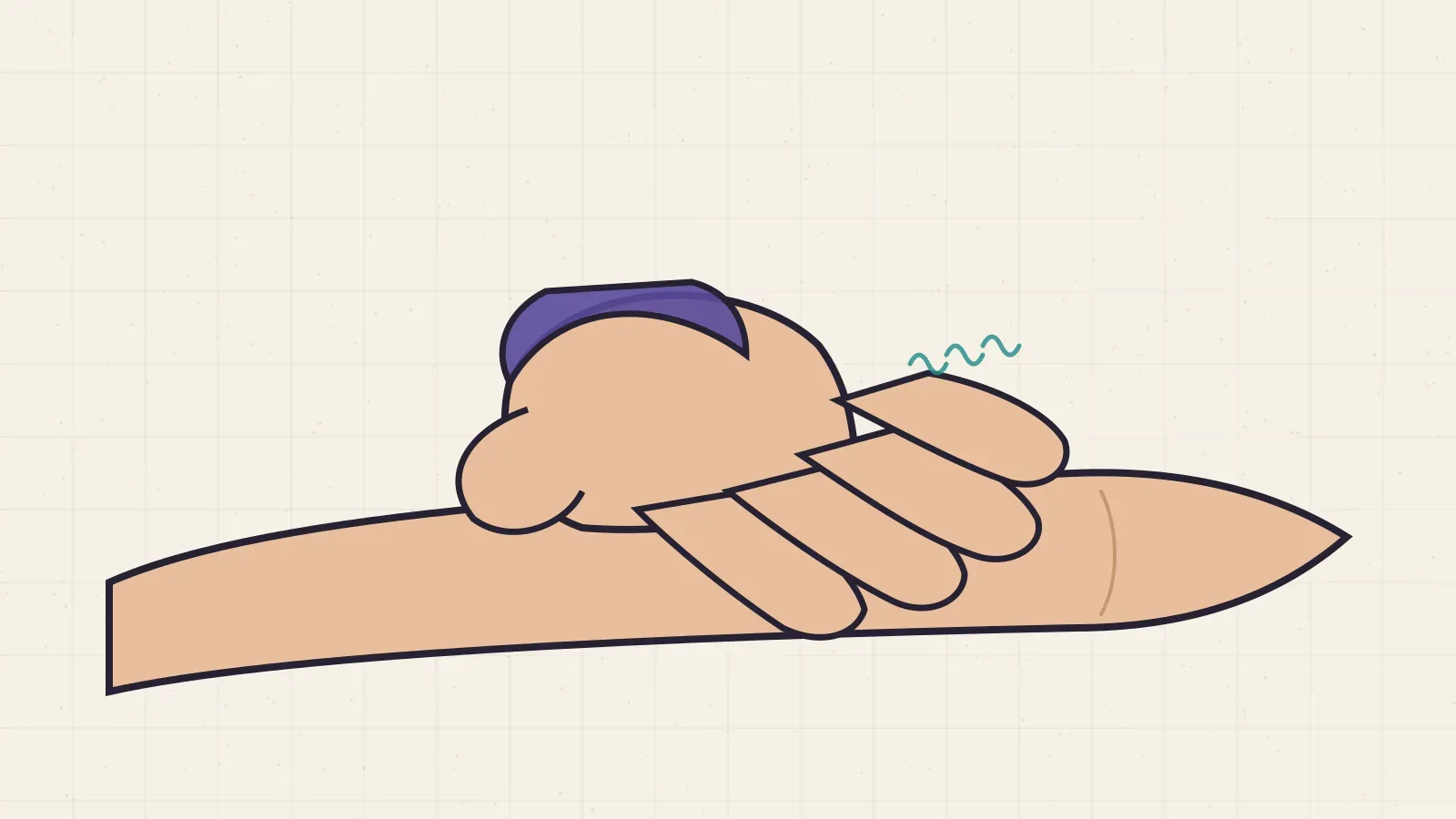
Wanted touch can raise oxytocin for a few minutes. That pulse is a context, not a type, and it does not replace the clocks above.
I will not sort a reader into a morning type, a thyroid type, or a self built from one fasting draw. The question worth the space is which clock the sample caught, and which clock it missed.